Our Mission Collections Knowledge Contact
Home / Knowledge / Security Features

The Science of Currency Security

Modern banknotes and coins incorporate dozens of sophisticated security features, representing centuries of innovation in the ongoing effort to protect monetary systems from counterfeiting and fraud.

25+
Security Features
Per Modern Banknote
$280B
Annual Global
Banknote Production
1826
First Watermark
Patent Issued

The battle between currency producers and counterfeiters has driven remarkable innovations in printing, materials science, and nanotechnology. Today's banknotes represent some of the most sophisticated security documents ever created, combining traditional craftsmanship with cutting-edge technology in ways most users never notice.

Technical Overview

Understanding Modern
Security Technologies

A comprehensive examination of the primary security features employed by mints and central banks worldwide to protect currency integrity.

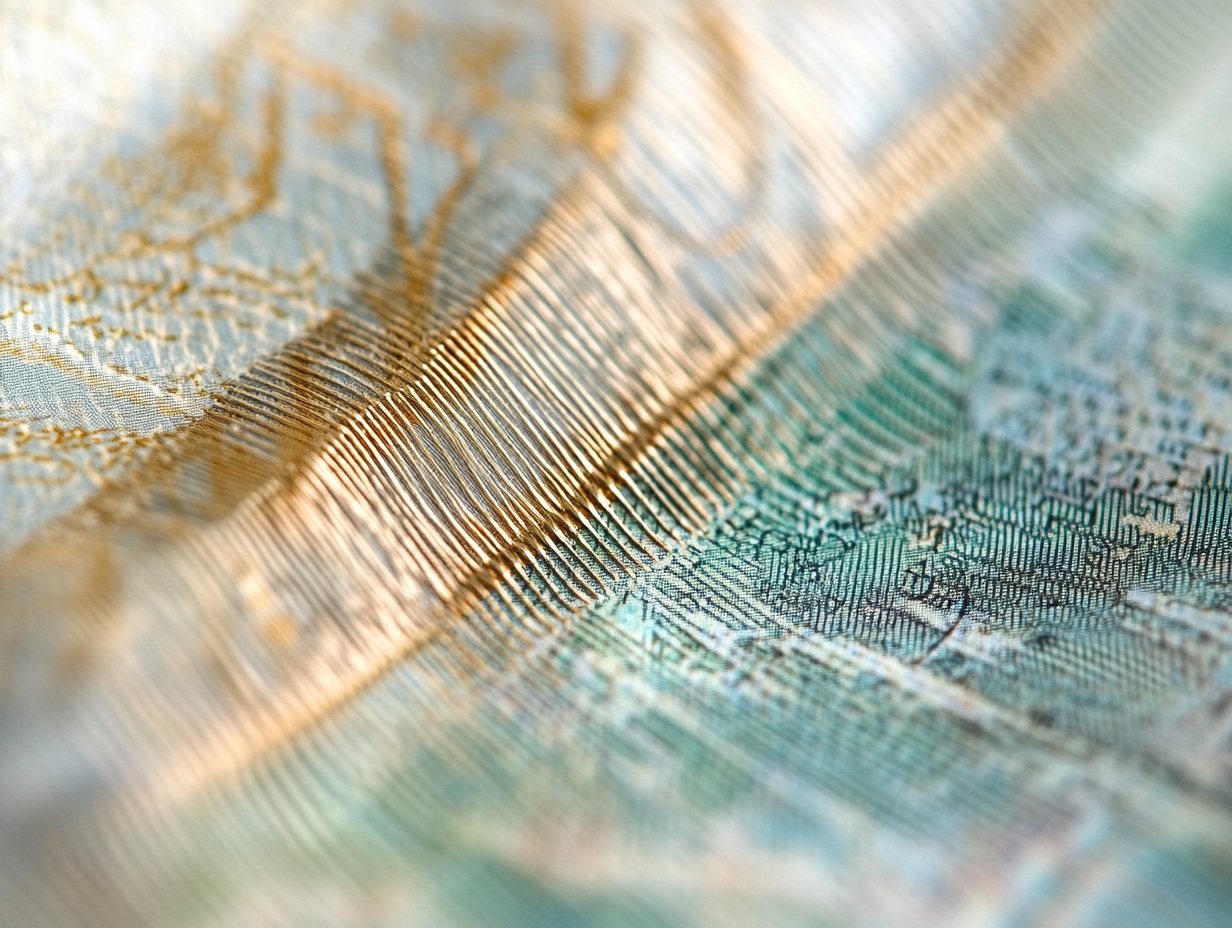
Detailed view of watermark security feature
Overt Feature

Watermarks

Substrate Security

Watermarks remain one of the oldest and most reliable security features. Created during the papermaking process by varying paper thickness, watermarks become visible when held to light. Modern electrotype watermarks can reproduce photographic detail, including portraits and architectural elements, with remarkable precision.

First Used
1282 in Italian paper production
Detection Method
Visible in transmitted light
Difficulty to Counterfeit
Very High - requires specialized equipment

Holographic security strip on currency
Overt Feature

Holographic Elements

Optical Variable Device (OVD)

Holographic patches and strips display different images or colors when viewed from different angles. Using diffraction gratings that scatter light in complex patterns, these features are virtually impossible to reproduce using conventional printing methods. Modern holograms can incorporate multiple layers, microtext, and kinetic effects.

First Currency Use
1988 Australian $10 note
Detection Method
Tilt to observe color/image shift
Difficulty to Counterfeit
Extremely High - requires laser technology
Embedded security thread in banknote
Overt Feature

Security Threads

Embedded Protection

Thin metallic or plastic strips embedded within the paper substrate during manufacturing. Modern security threads often contain microprinting, color-shifting inks, and fluorescent properties. Some threads are designed to be partially visible on the surface, creating a distinctive dashed or windowed appearance.

Composition
Polyester, metallized plastic, or hybrid materials
Detection Method
Visible/UV light, embedded microtext
Difficulty to Counterfeit
Very High - integrated during paper production
Color-shifting ink on currency denomination
Overt Feature

Color-Shifting Inks

Optically Variable Ink (OVI)

Specialized inks that change color when viewed from different angles, utilizing thin-film interference or liquid crystal technology. These inks are often used for denomination numerals, creating an unmistakable visual effect that cannot be reproduced by conventional color printing or photocopying.

Technology
Thin-film interference, liquid crystals
Detection Method
Tilt note to observe color transition
Difficulty to Counterfeit
Extremely High - proprietary formulations
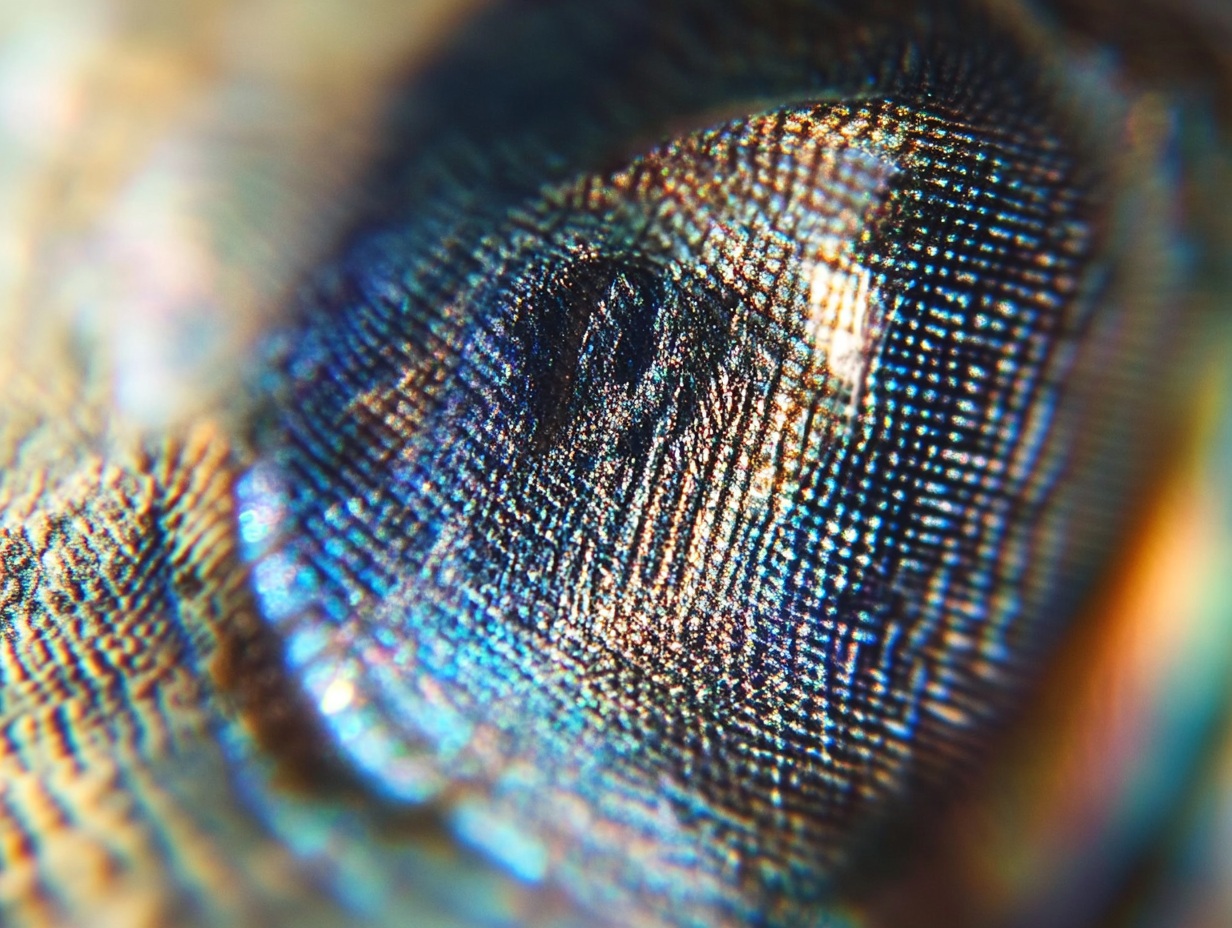
Microprinting detail on currency
Covert Feature

Microprinting

Fine Detail Security

Text printed at extremely small scales, often less than 0.2mm in height, requiring magnification to read. Microprinting appears as solid lines to the naked eye but reveals legible text under magnification. Standard office printers and copiers cannot reproduce this level of detail, making it an effective authentication tool.

Typical Size
0.1-0.3mm character height
Detection Method
10x magnification or higher
Difficulty to Counterfeit
High - beyond consumer printing resolution
UV fluorescent features under ultraviolet light
Covert Feature

UV Fluorescent Features

Invisible Authentication

Special inks and fibers that fluoresce under ultraviolet light, invisible under normal illumination. These features can include denomination markers, serial numbers, or decorative patterns that only appear when exposed to UV light, providing a quick authentication method for cash handlers and automated systems.

Common Colors
Green, red, orange, yellow fluorescence
Detection Method
UV light (365nm or 254nm wavelength)
Difficulty to Counterfeit
Medium - UV inks available but patterns complex
Authentication Process

How to Verify
Banknote Authenticity

Security features are only effective when people know how to check for them. The key to currency authentication lies in examining multiple features rather than relying on a single element.

01

Feel the Texture

Genuine currency paper has a distinctive texture created by cotton-linen fiber content and intaglio printing, which creates raised ink you can feel with your fingertips. Run your finger across portraits and high-relief areas.

02

Check the Watermark

Hold the note up to light and look for the watermark. It should match the denomination and appear as variations in paper thickness, not printed on the surface. The watermark should be visible from both sides.

03

Examine Security Thread

Locate the embedded security thread by holding the note to light. The thread should be integrated into the paper, not adhered to the surface, and may contain microprinting or display fluorescence under UV light.

04

Tilt for Color Changes

Tilt the note to observe color-shifting inks and holographic elements. These should display distinct color transitions or movement effects that cannot be reproduced by photocopying or standard printing.

05

Compare with Known Genuine

When possible, compare suspicious notes directly with a note you know to be genuine. Look for differences in paper quality, print sharpness, color accuracy, and the presence of all expected security features.

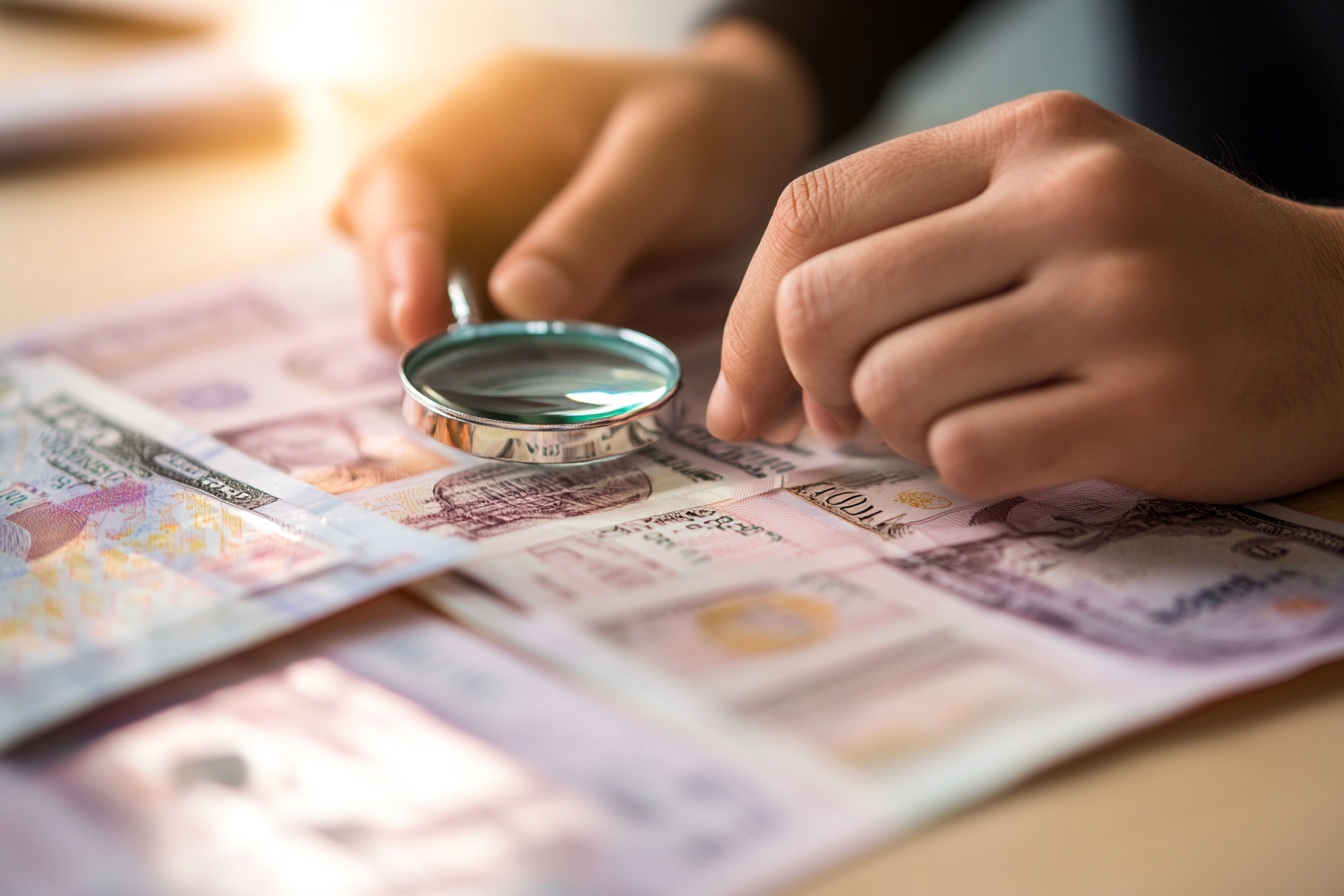
Person examining currency security features

Professional authentication combines tactile, visual, and technical examination methods

Innovation & Evolution

The Future of Currency Security

As digital printing and reproduction technologies advance, currency security must evolve in parallel. Emerging technologies promise even more sophisticated protection mechanisms.

Nanotechnology

Microscopic patterns and structures invisible to the naked eye, readable only with specialized equipment, offering authentication at scales counterfeiters cannot replicate.

Machine-Readable Features

Infrared and magnetic signatures that automated systems can verify instantly, enabling rapid authentication in banking and retail environments without slowing transactions.

Smart Polymers

Advanced polymer substrates with integrated security features that change properties in response to environmental conditions, providing additional authentication layers.

Expand Your Numismatic Knowledge

Explore our extensive archives and educational resources covering all aspects of currency history, design, and monetary systems worldwide.